Song Review: Marvin Sapp’s ‘He’s Not Finished’ — Why It Lands
When I first sat down in my studio to listen to Bishop Marvin Sapp’s single “He’s Not Finished,” I expected the high-caliber vocal delivery that has defined his career for over three decades. What I did not fully anticipate was the overwhelming sense of spiritual urgency and emotional gravity that radiates from every single bar of this eight-minute masterclass. Released on August 21, 2026, as the lead single from his upcoming album Restoration, the song arrives at a pivotal moment in contemporary gospel music, offering a message that feels both timeless and urgently necessary for listeners navigating personal trials, weariness, and spiritual transition.
As a seasoned gospel music journalist who has covered Marvin Sapp’s journey from his foundational years with Commissioned to his chart-topping solo career, I view “He’s Not Finished” as far more than just another radio addition. It stands as a monumental artistic declaration backed by a historic corporate alliance with Roc Nation Distribution, marking Sapp’s seventeenth career album and his ninth live recording project. In this comprehensive review, I explore the vocal technique, theological depth, musical arrangement, and broader cultural significance of “He’s Not Finished,” demonstrating why this single lands with such profound authority in 2026.
Table of Contents
- The Monumental Return: Marvin Sapp and Restoration
- Deconstructing ‘He’s Not Finished’: Lyrical Themes and Theology
- Vocal Craftsmanship: The Signature Sapp Deliverance
- Musical Architecture and Production Elements
- How ‘He’s Not Finished’ Compares to ‘Never Would Have Made It’
- The Role of Live Recording in Sapp’s Ninth Live Album
- Impact on the Contemporary Gospel Landscape in 2026
- Critical Verdict: Why ‘He’s Not Finished’ Lands So Deeply
- Conclusion: A Testament to Enduring Faith and Artistic Mastery
- Frequently Asked Questions
The Monumental Return: Marvin Sapp and Restoration

Every era of contemporary gospel music has certain pivotal releases that define its spiritual atmosphere, and Marvin Sapp’s announcements are always watched closely by worshippers, choir directors, and music critics alike. With Restoration, his seventeenth career studio/live album, Sapp returns to the live sanctuary environment where his vocal gift resonates with maximum intensity. Having recorded eight prior live albums across his storied discography, Sapp understands how to capture the living, breathing interaction between pastor, soloist, backing vocalists, and a spirit-filled congregation.
What makes this release cycle particularly noteworthy is the surrounding industry context and the sheer scale of expectation. Listeners who have followed Sapp’s trajectory know that he does not release new music casually. Each project is birthed out of lived experience, pastoral reflection, and deep personal discipline. “He’s Not Finished” serves as the flagbearer for Restoration, signaling that this album cycle will focus on rebuilding what was damaged, restoring what was lost, and reaffirming God’s unyielding promises in difficult times.
A Historic Partnership with Roc Nation Distribution
One of the most compelling industry developments surrounding this single is Marvin Sapp’s groundbreaking partnership with Roc Nation Distribution. When news broke that the gospel legend had aligned his independent label infrastructure with Jay-Z’s powerhouse distribution arm, it sent positive shockwaves throughout the music industry. “He’s Not Finished” is only the fourth gospel or inspirational single ever distributed through Roc Nation’s platform, representing a major cultural crossover that places sacred music directly alongside mainstream entertainment giants.
To read more about the strategic implications of this partnership and how it enhances the global reach of kingdom music, check out our in-depth analysis on the Marvin Sapp Restoration Roc Nation partnership. From my perspective as an industry observer, this alliance provides Sapp with unparalleled distribution channels, global playlist placement, and marketing reach, all while allowing him complete artistic freedom to preach the uncompromising Gospel message.
From Thirsty to Restoration: The Artistic Arc
To fully appreciate where “He’s Not Finished” sits in Marvin Sapp’s body of work, one must trace his artistic evolution over the past two decades. In 2007, his release of Thirsty changed the landscape of modern worship forever, spawning the record-breaking monster single “Never Would Have Made It,” which spent a record 46 weeks at number one on the Billboard Gospel charts. That song established a musical template—a slow-building, deeply personal testimonial anthem—that Sapp would refine on subsequent albums like Here I Am (2010), I Win (2012), and Close (2017).
With “He’s Not Finished,” Sapp does not attempt to replicate past formulas; instead, he expands upon them with mature wisdom. Where earlier hits often focused on survival through past storms, “He’s Not Finished” focuses on forward progress and future hope. It speaks to the believer who is currently in the middle of a process, reminding them that an unfinished story is not a failed story. This thematic progression demonstrates how Sapp’s songwriting and song selection have evolved alongside his pastoral calling.
Deconstructing ‘He’s Not Finished’: Lyrical Themes and Theology
Lyrically, “He’s Not Finished” operates as a potent theological corrective against premature despair. In a culture that demands instant results, immediate perfection, and social media validation, Sapp’s anthem anchors itself in the biblical reality of divine craftsmanship. The core message of the track revolves around the conviction that what feels broken, delayed, or set back in human terms is simply work in progress in God’s sovereign hands.
When listening to the song’s narrative progression, I am struck by how directly it addresses believers who feel overlooked or disqualified due to past mistakes or lingering struggles. Sapp delivers the lyrical lines with the authority of a pastor who has sat across from countless brokenhearted individuals in his counseling office. The song reframes personal setbacks not as final destinations, but as temporary stops on the path toward divine restoration.
The Message of Divine Completion and Hope
The central thesis of “He’s Not Finished” is rooted in the assurance that God never abandons a project He starts. Sapp articulates this truth with clarity, reminding the listener that human weariness does not exhaust divine power. The song addresses emotional fatigue, physical exhaustion, and spiritual doubt, offering a steady anchor of hope that reassures the heart when circumstances suggest otherwise.
As I analyzed the lyrical cadence, I noticed how Sapp balances personal vulnerability with universal encouragement. He speaks in the first person during key moments, taking on the role of a fellow traveler who has tested these truths in the furnace of life. This balance ensures that the song never feels preachy or detached; rather, it feels like a brother reaching out his hand to pull you back onto solid ground.
Biblical Echoes in Modern Worship
Theologically, the song echoes foundational scripture passages such as Philippians 1:6 (“being confident of this very thing, that He who has begun a good work in you will completion it until the day of Jesus Christ”) and Jeremiah 18’s imagery of the potter and the clay. Rather than quoting scripture verbatim, Sapp and his co-writer weave these biblical truths into natural, conversational lyrics that resonate deeply with modern listeners.
This approach to songwriting exemplifies the essence of contemporary gospel music, where timeless scriptural doctrine is packaged in accessible, emotionally resonant artistic expressions. By translating ancient spiritual promises into modern vernacular, Sapp ensures that the message breaks through religious jargon and touches the hearts of believers across generational lines.
Vocal Craftsmanship: The Signature Sapp Deliverance
Marvin Sapp’s voice is one of the most recognizable instruments in modern Christian music. Defined by its warm, raspy texture, remarkable range, and effortless chest-voice power, his vocal tone possesses an immediate gravity that commands attention from the very first line. On “He’s Not Finished,” Sapp delivers a vocal performance that ranks among the finest of his storied career, showcasing both delicate restraint and thunderous power.
What sets Sapp apart from many contemporary vocalists is his impeccable phrasing and breathing control. In an eight-minute track, maintaining energy without exhausting the voice or losing the listener’s attention requires extraordinary vocal technique. Sapp paces himself like a master marathon runner, beginning with a smooth, baritone intimacy in the verse before ascending into his fiery tenor register during the song’s dramatic climax.
Tone Control and Emotional Crescendo
During the opening minutes of “He’s Not Finished,” Sapp adopts a tender, almost conversational vocal tone. The instrumentation is kept intentionally sparse, allowing the natural warmth and slight rasp of his lower register to cradle the listener. As the song progresses into its second movement, Sapp gradually adds edge and breath support, elevating the key and intensity with subtle vocal runs that emphasize key emotional words.
By the time the song reaches its six-minute mark, Sapp is operating at full power, utilizing his signature raspy growl to drive home the song’s triumphant message. Yet, even at his loudest and most passionate, his pitch remains centered and his diction crystal clear. This level of vocal control is the hallmark of a veteran soloist who understands how to use vocal dynamics to serve the worship message rather than merely showing off technique.
The Power of the Gospel Vocal Vamp
No classic gospel anthem is complete without a powerful vamp, and “He’s Not Finished” features one of the most engaging vamps Sapp has recorded in years. A gospel vamp relies on repetition, call-and-response dynamics, and subtle rhythmic shifts to lead the listener into deeper emotional and spiritual engagement. On this track, Sapp trades lines with his choir, improvising vocal ad-libs that soar over the driving rhythm section.
As I listened closely to the vamp, I noticed how Sapp uses vocal growls, blue notes, and pentatonic runs to build tension before resolving into triumphant harmony with the choir. The backing vocalists respond with laser-focused precision, providing a dense harmonic foundation that allows Sapp to fly freely across his vocal range. This interactive dynamic is gospel music at its absolute purest.
Musical Architecture and Production Elements
Behind every great vocal performance stands a meticulously crafted musical arrangement. “He’s Not Finished” was co-written by Marvin Sapp alongside acclaimed gospel songwriter and producer Stan Jones, whose musical chemistry with Sapp has produced numerous classics over the years. Jones’s production style on this single blends traditional church instrumentation with sleek, contemporary gospel production standards.
The song’s structure is intentionally designed to allow room for spiritual breathing and live spontaneity. Clocking in at nearly eight minutes (7:58 duration on digital platforms), the single resists the modern music industry trend toward short, two-minute social media tracks. Instead, it honors the rich tradition of expansive gospel epics, giving the arrangement time to build, peak, settle, and explode into praise.
Co-Writing with Stan Jones
The collaboration between Marvin Sapp and Stan Jones is a match made in gospel heaven. Jones, known for his work with legendary artists across the gospel genre, brings a rich harmonic palette and a keen sense of melodic pacing to the table. In co-writing “He’s Not Finished,” Jones and Sapp focused on crafting a melody that is simple enough for a congregation to sing along with, yet sophisticated enough to satisfy discerning musical ears.
The chord progressions beneath the chorus feature rich major seventh and minor ninth chords, giving the track a warm, lush harmonic texture that feels both comforting and majestic. Jones’s influence is particularly evident in the smooth transitions between the verses, chorus, and bridge, ensuring that the song flows seamlessly across its eight-minute duration without feeling tedious or repetitive.
Arrangement, Instrumentation, and Eight-Minute Pacing
Instrumentally, “He’s Not Finished” relies on a classic gospel foundation: warm grand piano chords, atmospheric Hammond B3 organ swells, clean electric guitar fills, a fat bassline, and punchy live drums. The track opens with clean acoustic piano chords that establish the core harmonic theme before introducing subtle organ pads that add warmth and depth.
As the song enters the chorus, the rhythm section drops in with a steady, mid-tempo groove that carries the track forward. The arrangement builds layer by layer—adding rhythm guitar chugs, brass accents, and expanded choral harmonies—until the final three minutes explode into a full-throated sanctuary celebration. The sonic balance, engineered for high-end digital audio systems and official press coverage via the Gospel Music Association press network, ensures that every instrument remains clean and present in the mix.
How ‘He’s Not Finished’ Compares to ‘Never Would Have Made It’
Whenever Marvin Sapp releases a major lead single, comparisons to his 2007 career-defining hit “Never Would Have Made It” are inevitable. While “Never Would Have Made It” was born out of intense personal grief following the loss of his father and mentor, “He’s Not Finished” comes from a place of mature reflection and pastoral restoration. Both songs possess undeniable emotional impact, but they serve different roles within his discography.
To better understand how these two iconic tracks stack up against one another in terms of themes, musical structure, and industry positioning, I have compiled a detailed comparative analysis table below:
| Comparison Criteria | “Never Would Have Made It” (2007) | “He’s Not Finished” (2026) |
|---|---|---|
| Album Context | Thirsty (8th solo album) | Restoration (17th solo album / 9th live recording) |
| Primary Label / Distribution | Verity Records / Zomba Gospel | Roc Nation Distribution / Marvin Sapp Music |
| Songwriting / Production | Marvin Sapp & Aaron Lindsey | Marvin Sapp & Stan Jones |
| Core Theological Theme | Gratitude for past survival and divine endurance | Hope and faith in God’s ongoing, incomplete work |
| Track Duration | 6:05 (Radio/Album Version) | 7:58 (Single / Live Track) |
| Vocal Dynamics | Raw, grief-stricken, soaring emotional climax | Refined, pastorally authoritative, triumphant vamp |
| Target Audience Impact | Cross-over radio phenomenon, funeral/memorial anthem | Congregational worship anthem, modern streaming powerhouse |
As the table illustrates, while “Never Would Have Made It” remains an unassailable classic in the gospel canon, “He’s Not Finished” represents a more mature, polished, and forward-looking iteration of Sapp’s artistic vision. It does not replace his past legacy; rather, it builds upon it with renewed spiritual authority.
The Role of Live Recording in Sapp’s Ninth Live Album
There is an intangible magic that occurs when gospel music is captured live in front of a worshipping audience. Studio recordings can achieve technical perfection, but live recordings capture holy energy, spontaneous passion, and communal connection. As his ninth live album project, Restoration relies heavily on this raw, unfiltered atmosphere to convey its spiritual message.
On “He’s Not Finished,” the live recording setup allows Sapp to interact directly with his sanctuary audience. You can hear the congregation responding to his vocal cues, shouting back affirmations, and clapping in rhythm during the song’s driving vamp. This organic interaction creates an immersive listening experience that makes you feel as though you are sitting in the pew right next to the believers in the room.
The Sanctuary as a Recording Studio
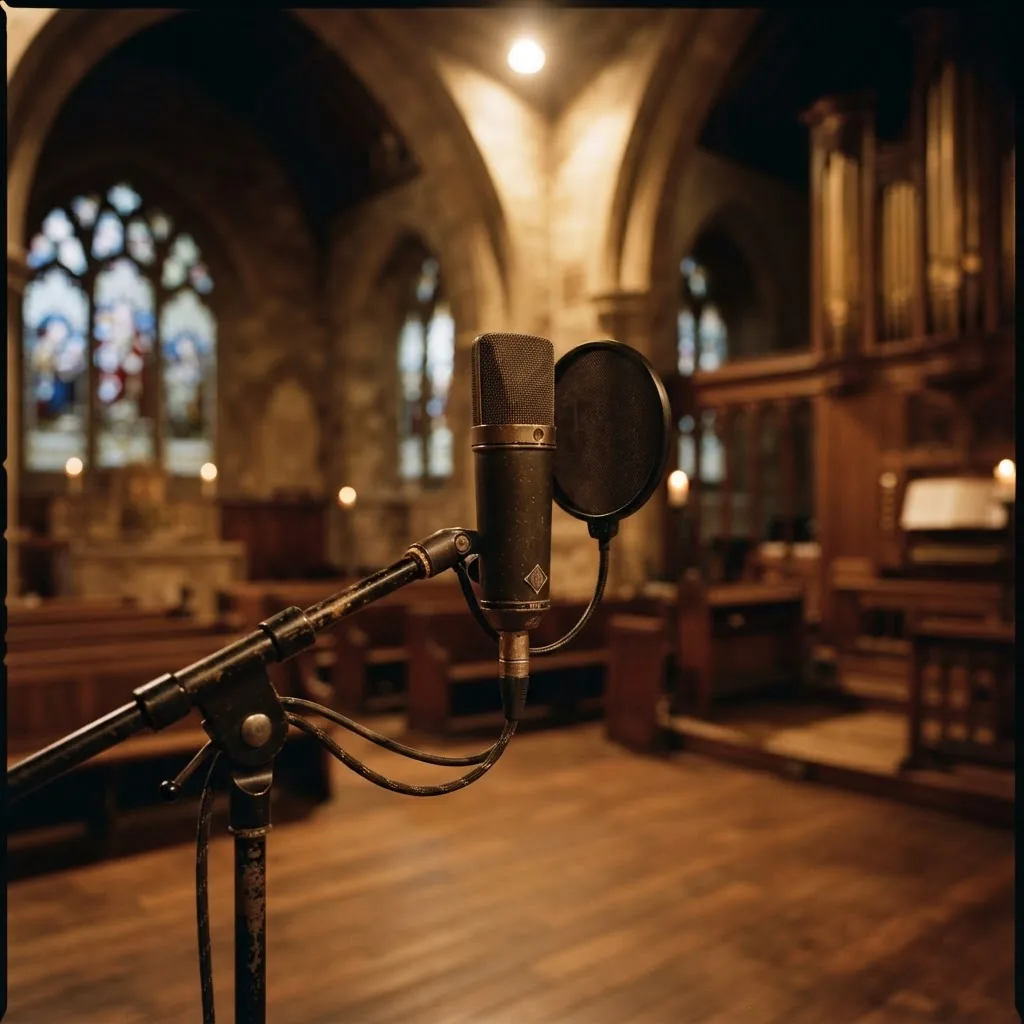
Recording live in a sanctuary presents unique acoustic challenges and opportunities. Unlike controlled studio booths, a church sanctuary has natural reverberation, room reflections, and ambient crowd noise. The audio engineers on “He’s Not Finished” executed a masterclass in live sound recording, keeping Sapp’s vocal front and center while capturing the natural acoustics of the room.
The organ swells decay naturally in the ambient room space, and the choir’s vocals wrap around Sapp’s lead like a warm blanket. This spacious sonic environment gives the single an authentic, worshipful atmosphere that digital studio plugins simply cannot replicate.
Congregational Energy and Authentic Worship
The role of the congregation on “He’s Not Finished” cannot be overstated. In gospel music, the audience is not a passive group of spectators; they are active participants in the worship experience. When Sapp sings about divine restoration, the audible reaction of the crowd—clapping, shouting, and lifting voices in harmony—adds immense credibility to the performance.
Their collective passion fuels Sapp’s vocal delivery, pushing him to hit higher notes and extend the vamp beyond standard song arrangements. This symbiotic relationship between soloist and room is what elevates “He’s Not Finished” from a simple recording into a genuine worship encounter.
Impact on the Contemporary Gospel Landscape in 2026
The release of “He’s Not Finished” on August 21, 2026, comes during an exciting era of transformation for contemporary gospel music. As streaming platforms, viral social media trends, and global distribution deals reshape how sacred music is consumed, established icons like Marvin Sapp are demonstrating how to remain artistically relevant without compromising the integrity of their message.
For a detailed breakdown of major gospel events, award recognitions, and industry shifts shaping this year, refer to our comprehensive 57th GMA Dove Awards 2026 guide. Within this broader landscape, Sapp’s single serves as a beacon for traditional gospel excellence wrapped in modern commercial infrastructure.
Key ways “He’s Not Finished” is impacting the gospel industry in 2026 include:
- Elevating Independent Gospel Distribution: By partnering with Roc Nation Distribution, Sapp proves that major legacy gospel artists can maintain independent ownership while tapping into mainstream distribution machinery.
- Preserving the Extended Gospel Epic: In an era dominated by short, bite-sized songs, releasing an eight-minute lead single asserts the value of long-form, unhurried worship experiences.
- Bridging Generational Audiences: The song’s modern production values attract younger listeners, while Sapp’s classic vocal delivery and scriptural lyrics retain legacy gospel fans.
- Strengthening Choir and Ensemble Repertoires: The song’s accessible chorus and energetic vamp make it an immediate candidate for Sunday morning choir arrangements across the nation.
Critical Verdict: Why ‘He’s Not Finished’ Lands So Deeply
After dissecting “He’s Not Finished” through multiple listening sessions on high-fidelity monitors, car speakers, and headphones, my critical verdict is resounding: this is one of Marvin Sapp’s most compelling, cohesive, and spiritually satisfying singles in over a decade. It succeeds because it refuses to take shortcuts, delivering rich theology, superb vocal technique, and masterly live production.
To read official industry background and music streaming availability, you can consult Marvin Sapp’s single page on Apple Music as well as reporting on major entertainment news platforms like Complex Media’s coverage of Roc Nation’s gospel lineup.
“‘He’s Not Finished’ is not merely a song for the airwaves; it is a masterclass in gospel longevity. Marvin Sapp stands in the full strength of his pastoral and vocal authority, reminding every weary soul that brokenness is never the final chapter when God holds the pen.”
Whether you are a lifelong fan of Bishop Marvin Sapp, a church choir director searching for your next Sunday anthem, or simply a music lover seeking authentic emotional expression, “He’s Not Finished” demands your attention. It lands deeply because it speaks directly to human need while pointing steadfastly toward divine faithfulness.
Conclusion: A Testament to Enduring Faith and Artistic Mastery
In conclusion, Marvin Sapp’s “He’s Not Finished” is a triumphant lead single that sets an extraordinary standard for his upcoming seventeenth album, Restoration. Co-written with Stan Jones and backed by the historic power of Roc Nation Distribution, the track seamlessly bridges the gap between traditional sanctuary worship and modern global music culture. Sapp’s vocal performance is a masterclass in dynamic range, emotional conviction, and technical control.
As gospel music continues to evolve in 2026, “He’s Not Finished” stands as proof positive that songs rooted in timeless biblical truth, executed with musical craftsmanship, will always find a receptive home in the hearts of listeners. It is a song that will be sung in churches, streamed on personal playlists, and celebrated across gospel awards stages for years to come.
Frequently Asked Questions
When was Marvin Sapp’s ‘He’s Not Finished’ released?
Marvin Sapp’s lead single “He’s Not Finished” was officially released on August 21, 2026, across all major digital music streaming platforms and gospel radio stations worldwide.
Who wrote ‘He’s Not Finished’?
The single “He’s Not Finished” was co-written by Bishop Marvin Sapp alongside award-winning gospel songwriter and music producer Stan Jones.
What album is ‘He’s Not Finished’ featured on?
“He’s Not Finished” serves as the lead single for Marvin Sapp’s upcoming album entitled Restoration, which marks his seventeenth solo career album and his ninth live recording project.
What is the significance of Marvin Sapp’s partnership with Roc Nation Distribution?
The single represents a historic partnership between Marvin Sapp and Roc Nation Distribution. “He’s Not Finished” is only the fourth gospel or inspirational single released through Roc Nation’s global distribution platform, offering unprecedented reach for independent gospel music.
How long is the song ‘He’s Not Finished’?
The single version of “He’s Not Finished” has a running time of approximately eight minutes (7:58), allowing full room for live congregational worship, dynamic vocal vamps, and musical development.
How does this single relate to Marvin Sapp’s classic ‘Never Would Have Made It’?
While “Never Would Have Made It” (2007) focused on looking back with gratitude for surviving past grief and storms, “He’s Not Finished” (2026) takes a forward-looking perspective, encouraging believers that God’s work in their lives is ongoing and incomplete despite present obstacles.
Never Miss a Beat
Get gospel music news, new releases, artist highlights, worship content, curated playlists and inspirational stories delivered to your inbox.